
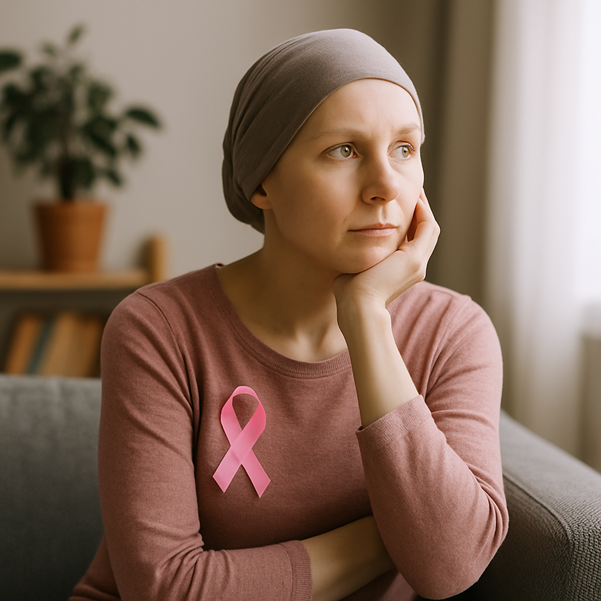
Every October, we see pink ribbons, fundraising walks, and reminders to check our breasts. These campaigns are vital — awareness saves lives. But as someone who works closely with women affected by breast cancer, I also know there’s another side to the story. A side that isn’t always visible in the headlines or campaigns: the quiet, personal journey of recovery once the hospital doors close.
Life After Treatment: The Part Nobody Prepared You For
The end of chemotherapy, surgery, or radiotherapy is often imagined as a finish line. Friends and family expect celebration, relief, and a return to “normal.” But for many women, this stage brings an unexpected mix of fatigue, anxiety, and uncertainty.
- “Why don’t I feel like myself yet?”
- “How do I stop worrying about it coming back?”
- “Why is my body reacting so differently to food, sleep, and stress?”
These are the kinds of questions I hear often in my practice, and they are just as real as the medical side of breast cancer.
The Emotional Weight of Breast Cancer
A diagnosis doesn’t end when treatment ends. Fear of recurrence, changes in body image, and the emotional toll of months (or years) of appointments often linger. Stress and anxiety aren’t just “in the mind” either — they directly influence hormones, digestion, immunity, and recovery. Recognising and supporting the emotional side of breast cancer is just as important as supporting the physical.
Nutrition: More Than Just Food
Nutrition during and after breast cancer is about so much more than “eating your vegetables.” Food can be:
- Energy: Supporting recovery from treatment-induced fatigue.
- Strength: Protecting bone and heart health, which can be affected by certain therapies.
- Calm: Balancing blood sugar and supporting gut health to reduce mood swings and anxiety.
- Connection: Cooking and eating as a way of reconnecting with joy, routine, and a sense of control.
I’ve seen first-hand how small, consistent changes — like balancing meals with enough protein, gently reintroducing movement, or building nourishing rituals — can transform the way women feel in their day-to-day lives.
Reframing Recovery
Perhaps the biggest truth about life after breast cancer is this: recovery is not about “going back” to who you were before. It’s about moving forward, often with new priorities, greater awareness, and sometimes, a deeper appreciation for the body’s resilience.
Nutrition and lifestyle changes can be powerful tools in this reframing — helping women not just to survive breast cancer, but to thrive afterwards.
Living Well After Breast Cancer
Breast cancer awareness is not just about early detection — it’s also about shining a light on what comes after. By sharing tools, strategies, and stories of recovery, we can help more women find strength and confidence long after treatment has ended.
My hope is that more conversations will be had about this hidden side of recovery, so no woman feels alone once the pink ribbons are packed away.