
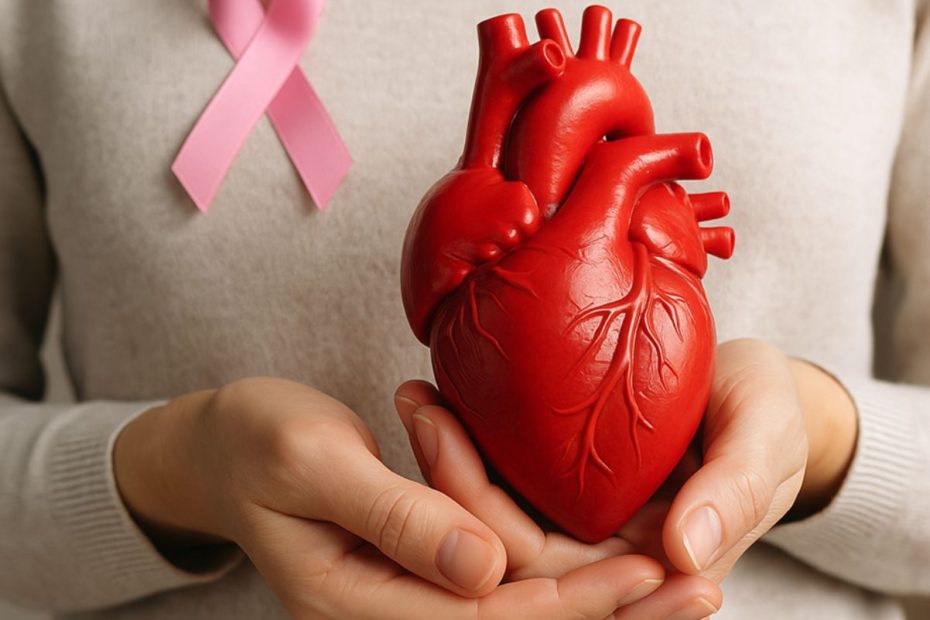
Why nutrition needs a different lens after breast cancer
It’s true that exercise, vegetables, and sleep are good for everyone’s heart. But after breast cancer treatment, your body has been through unique stresses:
- Oxidative stress from chemotherapy and radiotherapy can damage both DNA and the delicate lining of blood vessels.
- Mitochondria (your energy factories) can become less efficient, meaning your heart muscle has to work harder to generate the same energy.
- Early menopause triggered by treatment reduces the protective effect of oestrogen on blood vessels and cholesterol balance.
- Chronic low-grade inflammation is more likely after intensive treatment and can accelerate arterial stiffening.
This means the “basics” need a different emphasis — the type of fat, the quality of antioxidants, and the nutrients that support cellular repair all become central players in protecting your heart.
Beyond the basics: nutrients that make a real difference
- Coenzyme Q10 (CoQ10) – the heart’s spark plug
Every heartbeat depends on mitochondria churning out energy (ATP). CoQ10 is a cofactor in that process and is found in high concentrations in heart tissue. Levels naturally decline with age and can be further depleted by certain cancer drugs.
Where to find it: oily fish, organ meats (like liver), nuts and seeds. Supplements can be considered, especially if fatigue or muscle weakness is ongoing, but should be tailored individually.
- Omega-3 fatty acids – calming inflammation and protecting vessels
Omega-3s from oily fish (EPA and DHA) are powerful anti-inflammatories. They help calm the low-grade inflammation that can linger after treatment, protect blood vessel linings, and support a steady heartbeat. They’re also well known for lowering triglycerides and improving cholesterol balance, both of which reduce strain on the heart and circulation.
Where to find it: sardines, mackerel, salmon, anchovies, herring (the smaller fish are also lower in pollutants). Plant-based sources (flax, chia, walnuts) provide ALA, but only a small fraction converts to the active EPA/DHA.
- Magnesium – the quiet regulator
Magnesium stabilises heart rhythm, relaxes blood vessels, and calms the nervous system. Low levels are linked with high blood pressure and palpitations, yet modern diets are often deficient.
Where to find it: pumpkin seeds, almonds, dark green leafy vegetabels such as spinach, black beans, dark chocolate. Tip: soaking nuts/seeds and including pulses makes magnesium more absorbable.
- Polyphenols – food as natural medicine
Plant compounds like flavonoids reduce oxidative damage to the arteries. After radiotherapy or chemo, this becomes especially important.
Where to find it:
- Berries (anthocyanins)
- Green tea (catechins)
- Pomegranate (punicalagins)
- Extra virgin olive oil (hydroxytyrosol)
- Culinary herbs and spices (turmeric, rosemary, thyme)
- Fibre & the gut–heart link
Gut bacteria produce short-chain fatty acids (SCFAs) from fibre, which reduce inflammation and improve blood sugar balance. High-fibre diets are associated with lower cardiovascular risk — and importantly, they also support healthy oestrogen metabolism after hormone therapy.
Where to find it: beans, lentils, oats, apples, flaxseeds, vegetables of all colours.
The how: weaving this into daily life
This is where most people struggle — knowing vs. doing. Some practical strategies:
- Habit stacking: pair a new habit with an existing one. Example: Keep your ground flaxseed in a small glass jar in the fridge door, next to your yoghurt or milk. That way, adding a spoonful to your breakfast becomes automatic.
- Batch prep: cook a tray of mixed veg drizzled with olive oil on Sunday; use it in salads, wraps, or soups during the week.
- Nutrient swaps: replace mayonnaise with hummus (extra fibre, magnesium, polyphenols).
- Snack shift: keep a small jar of walnuts, Brazil nuts, and pumpkin seeds in your bag or desk — portable magnesium, selenium, and omega-3 precursors.
Takeaway
Heart health after breast cancer isn’t about following generic advice. It’s about supporting your body where it’s been uniquely stressed: mitochondrial energy, oxidative balance, inflammation, and hormonal shifts. By focusing on specific nutrients like CoQ10, omega-3s, magnesium, and polyphenols, alongside practical food patterns, you give your heart what it needs to stay resilient for the long term.